

The USA events list 2026 includes national holidays, cultural observances, and important days celebrated across the United States. From New Year’s Day and Valentine’s Day to Thanksgiving, Christmas, and New Year’s Eve, these dates help people plan holidays, family activities, travel, and special events.
If you are looking for USA events today, events this week, or upcoming events in the USA, this guide gives you a quick look at the important dates for 2026.
Quick Overview of USA Events List
For official information on U.S. federal, state, and cultural holidays, visit the USAGov guide to American holidays.
For a quick reference, the major remaining 2026 dates are:
| Date of Events | Major Event’s Name |
| Jan 1 | New Year’s Day |
| Jan 18 | Martin Luther King Jr. Day |
| Feb 14 | Valentine’s Day |
| Feb 16 | Presidents’ Day |
| Mar 17 | St. Patrick’s Day |
| Apr 5 | Easter Sunday |
| Apr 6 | Easter Monday |
| Apr 15 | Tax Day |
| May 5 | Cinco de Mayo |
| May 10 | Mother’s Day |
| May 25 | Memorial Day |
| Jun 14 | Flag Day |
| Jun 19 | Juneteenth |
| Jun 21 | Father’s Day |
| Jul 3 | Independence Day (Observed) |
| Jul 4 | Independence Day |
| Sep 7 | Labor Day |
| Oct 12 | Columbus Day |
| Oct 31 | Halloween |
| Nov 3 | Election Day |
| Nov 11 | Veterans Day |
| Nov 26 | Thanksgiving Day |
| Nov 27 | Black Friday |
| Dec 24 | Christmas Eve |
| Dec 25 | Christmas Day |
| Dec 31 | New Year’s Eve |
Note: For the official 2026 federal holiday schedule, check the U.S. Office of Personnel Management.
Month of January
Jan 1 – New Year’s Day

New Year’s Day marks the beginning of the calendar year and is one of the oldest and most widely celebrated holidays around the world. In the U.S., it became a recognized federal holiday in 1870. People celebrate with fireworks, parties, and New Year’s resolutions on New Year’s Eve, followed by a more relaxed and family-focused day. Popular traditions include the Times Square Ball Drop in New York City and parades such as the Tournament of Roses Parade in California.
Jan 18– Martin Luther King Jr. Day
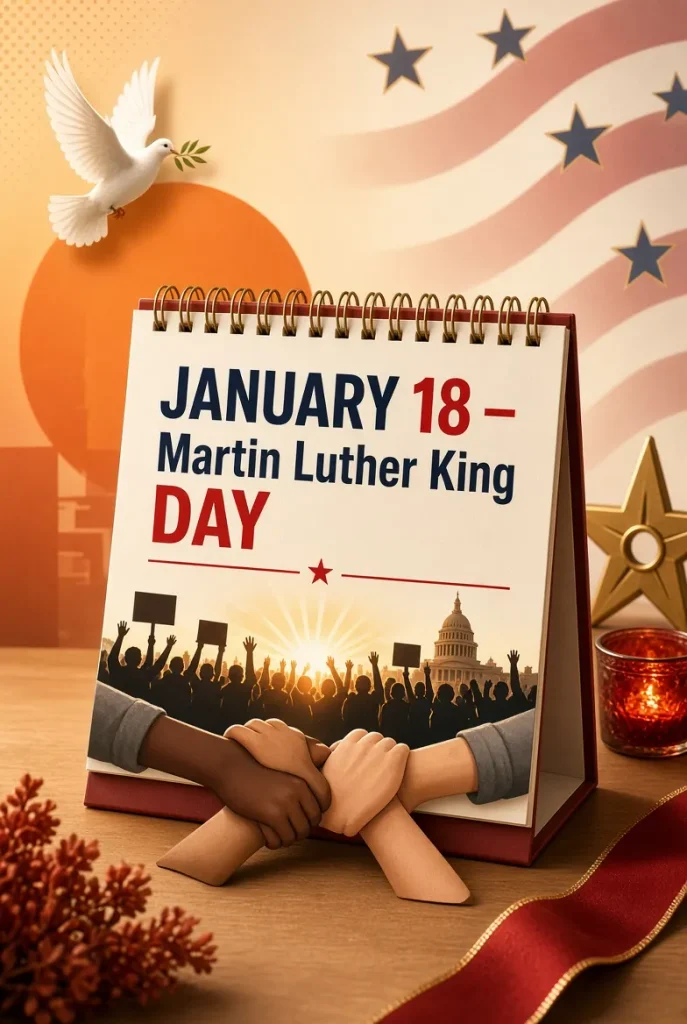
This federal holiday honors Dr. Martin Luther King Jr., the civil rights leader who worked for racial equality in the U.S. through nonviolent protests. It is observed on the third Monday of January, close to his birthday on January 15. The holiday was first proposed soon after his assassination in 1968, signed into law in 1983, and first observed across the country in 1986. People often mark the day through community service, marches, and educational programs about civil rights history.
Month of February
Feb 14 – Valentine’s Day

Valentine’s Day has roots in ancient Roman festivals and later Christian traditions connected to Saint Valentine. Over time, it became a day to celebrate romantic love and affection. It is not a federal holiday, but it is one of the most commercially important days in the U.S. People often exchange cards, flowers, chocolates, and gifts with their partners, friends, and family.
Feb 16 – Presidents’ Day
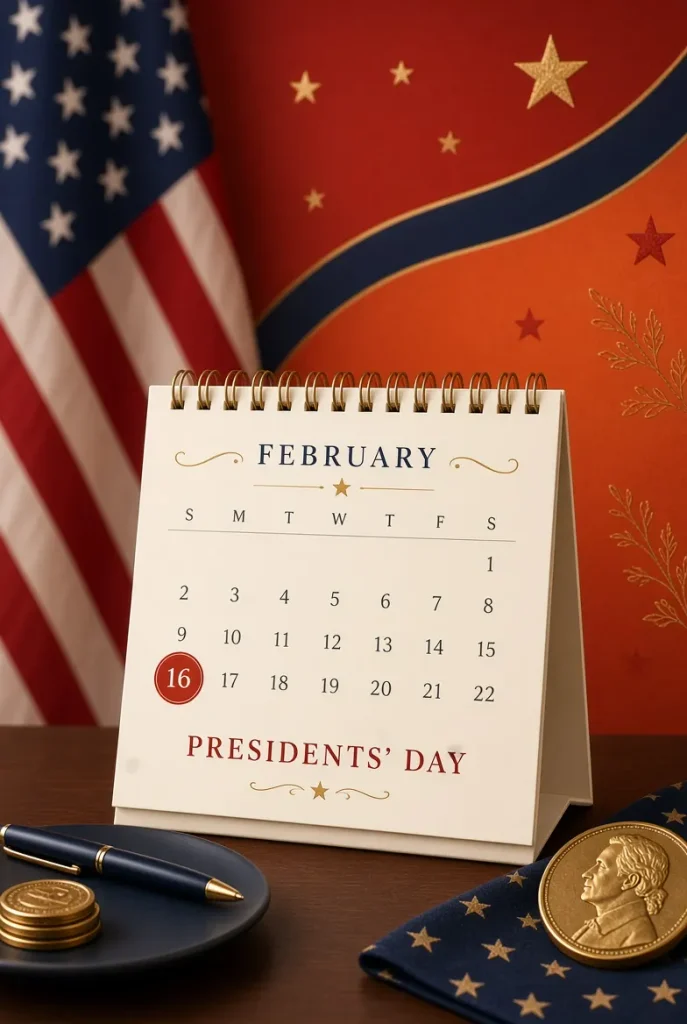
Officially known as Washington’s Birthday, this federal holiday originally honored George Washington, the first U.S. president, who was born on February 22. Over time, it became a broader celebration of U.S. presidents, especially after the Uniform Monday Holiday Act of 1968 moved it to the third Monday in February. Today, it is well known for long weekends and retail sales, along with its historical meaning.
Month of March
Mar 17 – St. Patrick’s Day

St. Patrick’s Day originally began as a religious feast day honoring Saint Patrick, the patron saint of Ireland. It later grew into a wider celebration of Irish culture and heritage around the world. Irish immigrants brought the tradition to America, where it developed into public parades, green-themed events, and community gatherings. It is not a federal holiday, but it is widely celebrated across the country, especially in cities with large Irish-American communities such as Chicago, Boston, and New York.
Month of April
Apr 5 – Easter Sunday

Easter is the most important religious holiday in Christianity and commemorates the resurrection of Jesus Christ. Its date changes every year because it is based on the lunar calendar. In the U.S., Easter is usually marked with church services, family gatherings, and traditions such as egg hunts and the Easter Bunny for children.
Apr 6 – Easter Monday

Easter Monday is the day after Easter Sunday and is observed in some states and communities as part of the Easter weekend. It is not a major federal holiday, but in different regions it can be a day for rest and continued celebration.
Apr 15 – Tax Day

Tax Day is the yearly deadline for individuals to file their federal income tax returns with the Internal Revenue Service (IRS). The date has been used since the mid-20th century and is one of the most important practical dates for American households and businesses each year, even though it is not a festive holiday.
Month of May
May 5 – Cinco de Mayo

Cinco de Mayo remembers the Mexican army’s victory over French forces at the Battle of Puebla in 1862. While it is a relatively small holiday in Mexico, it has become a major celebration of Mexican culture and heritage in the United States. It is especially popular in areas with large Mexican-American communities and is often celebrated with music, food, and festivals.
May 10 – Mother’s Day

Mother’s Day is a day to honor mothers and motherhood. It became an official U.S. holiday in 1914 because of the efforts of activist Anna Jarvis. It is celebrated on the second Sunday of May with gifts, cards, and family gatherings to honor mothers and maternal figures.
May 25 – Memorial Day

Memorial Day is a federal holiday that honors military personnel who died while serving in the U.S. armed forces. It began after the Civil War as “Decoration Day,” when people decorated the graves of fallen soldiers. Today, it is observed on the last Monday of May with memorial ceremonies and flag displays. It is also widely seen as the unofficial start of summer.
Month of June
Jun 14 – Flag Day
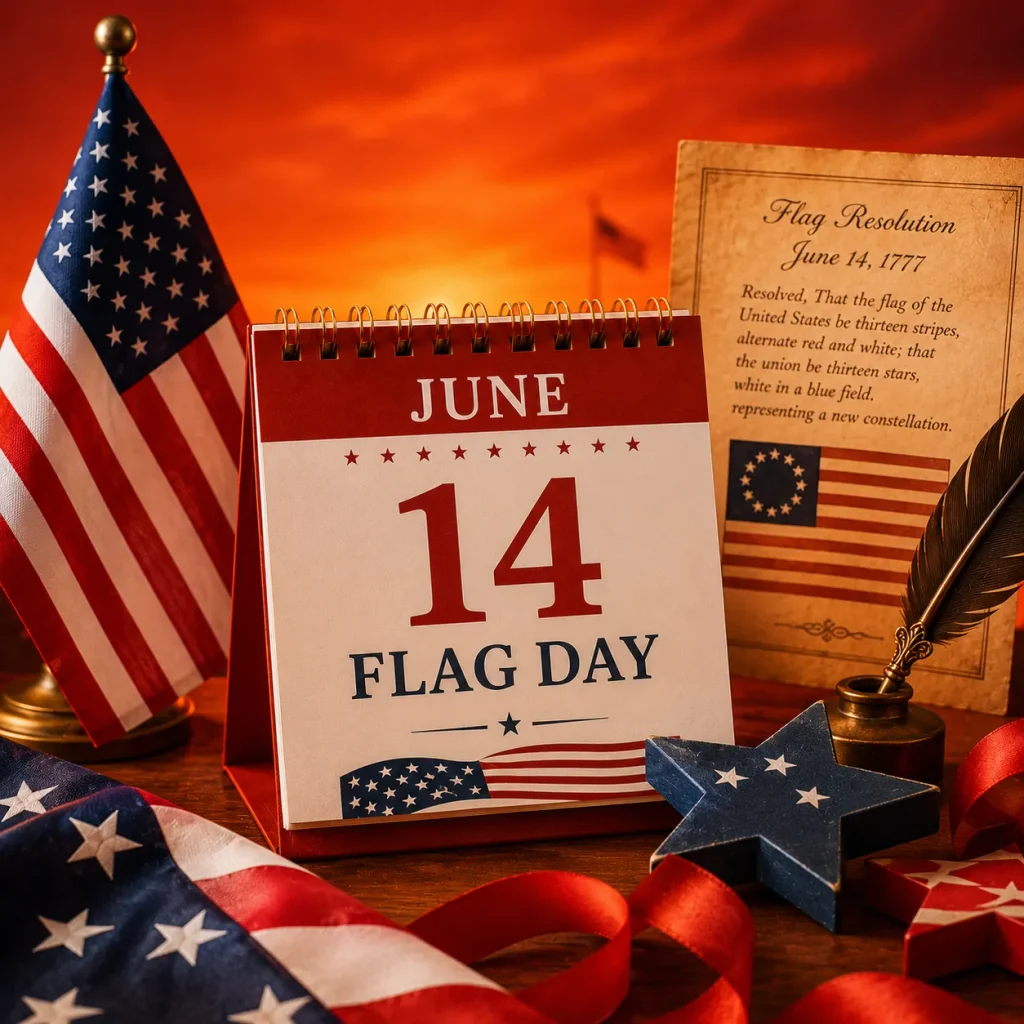
Flag Day remembers the adoption of the United States flag on June 14, 1777. It was officially established through a presidential proclamation in 1916. Although it is not a federal holiday, it is observed through flag-raising ceremonies, parades, and educational events about the history and meaning of the U.S. flag.
Jun 19 – Juneteenth

Juneteenth commemorates June 19, 1865, when enslaved people in Texas learned that they were free, more than two years after the Emancipation Proclamation. It became a federal holiday in 2021, making it one of the newest additions to the U.S. holiday calendar. People observe the day through celebrations, educational events, and reflections on African American history and freedom.
Jun 21 – Father’s Day

Father’s Day honors fathers and father figures and is celebrated on the third Sunday of June. It was first celebrated in the early 20th century and became a permanent national holiday in 1972. Families often celebrate with gifts, meals, and time together.
Month of July
Jul 3 – ‘Independence Day’ Day Off

Since July 4 falls in the middle of the week in some years, or simply to give people a longer holiday, many companies and government offices may give employees July 3 off as well. It is not an official federal holiday by itself, but it can work as a practical extension of the Independence Day celebration.
Jul 4 – Independence Day

Independence Day commemorates the adoption of the Declaration of Independence on July 4, 1776. It marks the birth of the United States as a nation separate from British rule. It is the country’s major patriotic holiday and is celebrated across the U.S. with fireworks, parades, barbecues, and public gatherings.
In 2026, Independence Day is especially significant as the United States marks its 250th anniversary.
Month of August
August does not have any major federal holidays. It is generally a quieter month and is often connected with the last weeks of summer vacation and preparations for the new school year.
Month of September
Sep 7 – Labor Day

Labor Day honors the American labor movement and the contributions workers have made to the country’s growth and prosperity. It became a federal holiday in 1894 after years of support and advocacy from labor unions. It is observed on the first Monday of September and is also traditionally seen as the symbolic end of summer.
Month of October
Oct 12 – Columbus Day
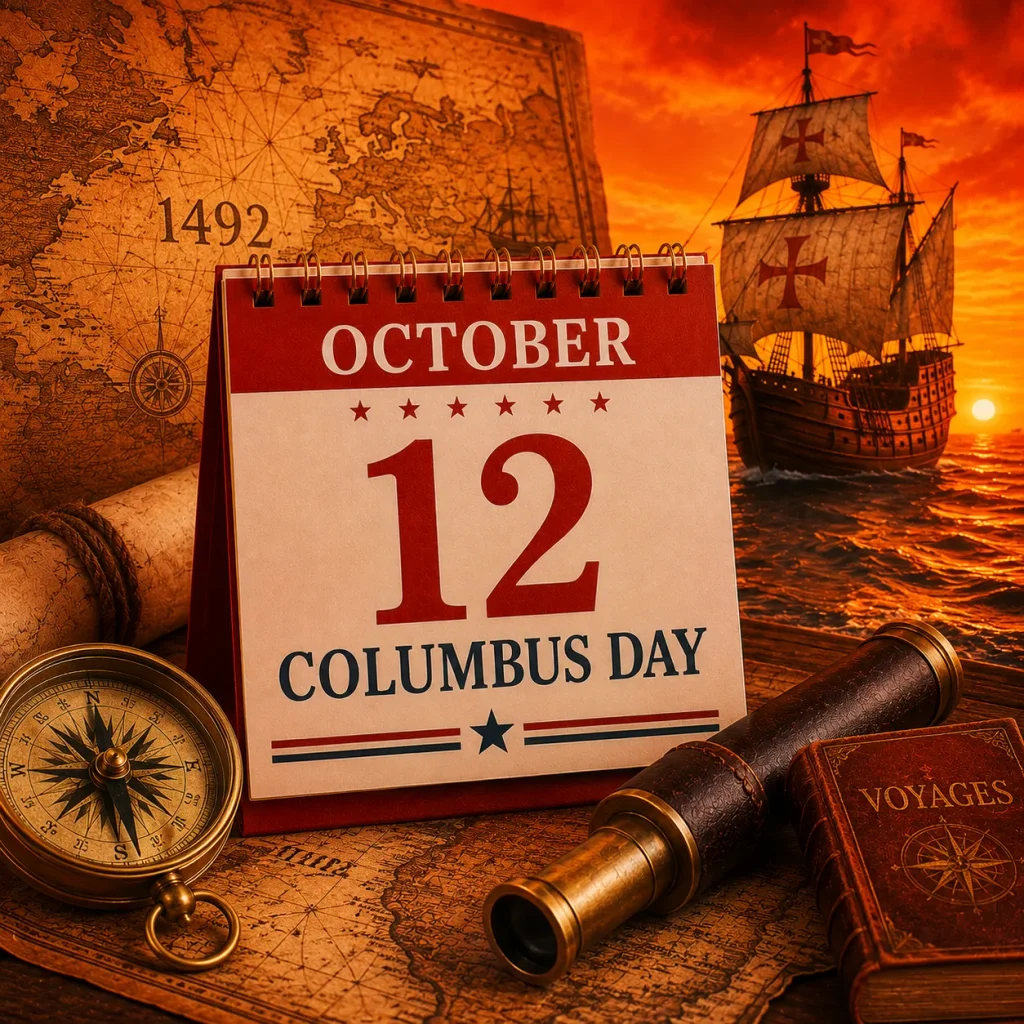
Columbus Day commemorates Christopher Columbus’s arrival in the Americas on October 12, 1492. It became a federal holiday in 1937. In recent years, the holiday has become a subject of debate, with some states and cities choosing to observe Indigenous Peoples’ Day instead. This recognizes the impact of colonization on Native American communities.
Oct 31 – Halloween

Halloween has roots in the ancient Celtic festival of Samhain, which marked the end of the harvest season and the beginning of winter. Over time, it became connected with Christian traditions and later developed into the modern secular holiday known for costumes, trick-or-treating, and spooky decorations. It is not a federal holiday, but it is one of the most widely celebrated cultural events in the U.S.
Month of November
Nov 3 – Election Day
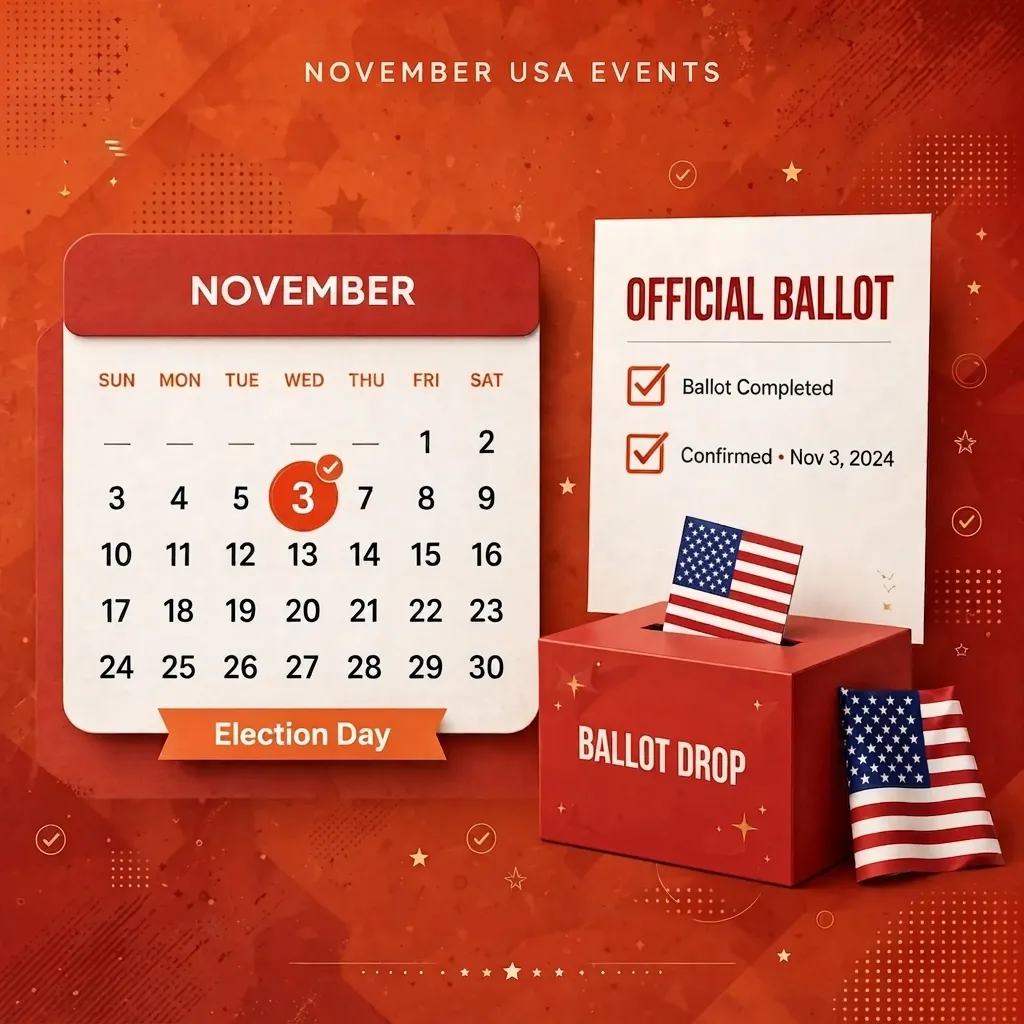
Election Day is the day when U.S. citizens vote in federal, state, and local elections. It is held on the first Tuesday after the first Monday in November. Although it is not a federal public holiday in most states, it is an important part of American democracy and civic life.
Nov 11 – Veterans Day
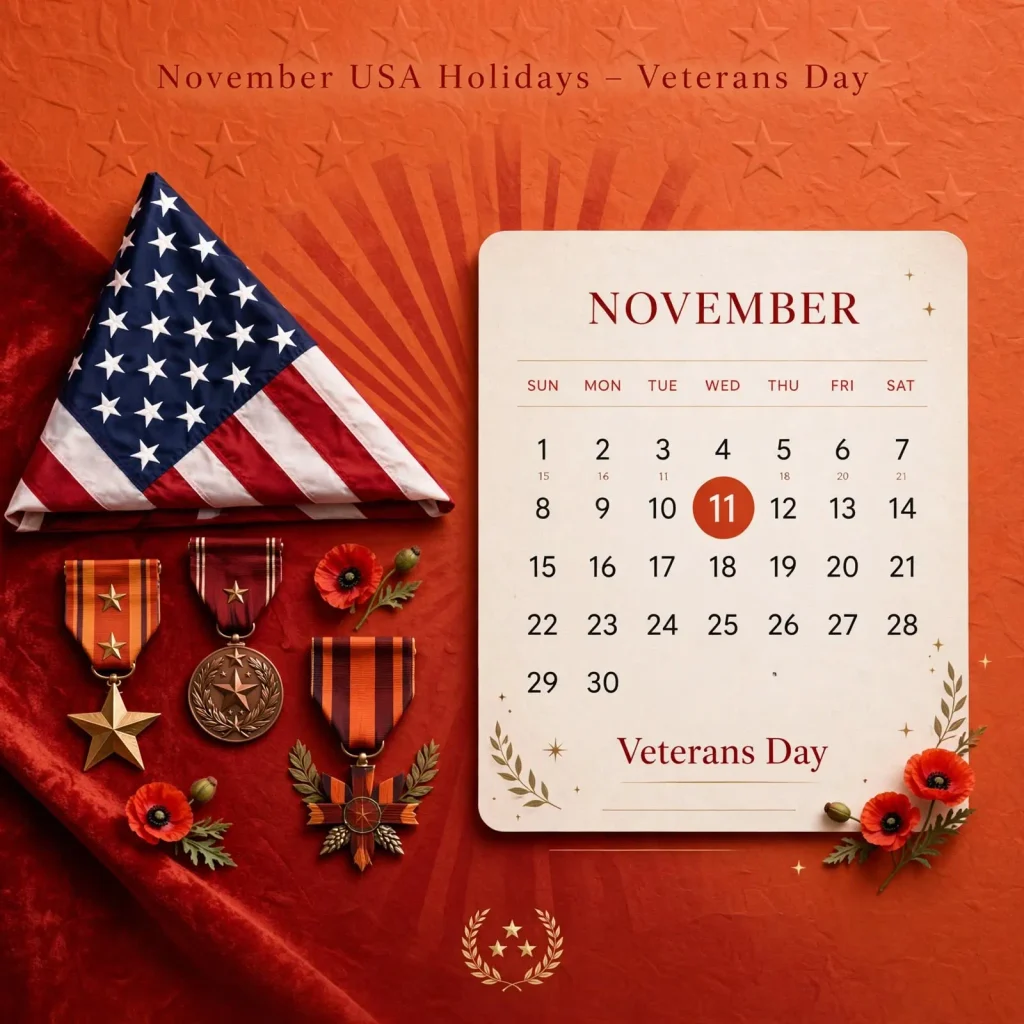
Veterans Day honors all U.S. military veterans who have served the country. It began as Armistice Day in 1919 to mark the end of World War I. In 1954, it was renamed Veterans Day to honor veterans of all wars. The day is observed with parades, ceremonies, and other moments of tribute across the country.
Nov 26 – Thanksgiving Day
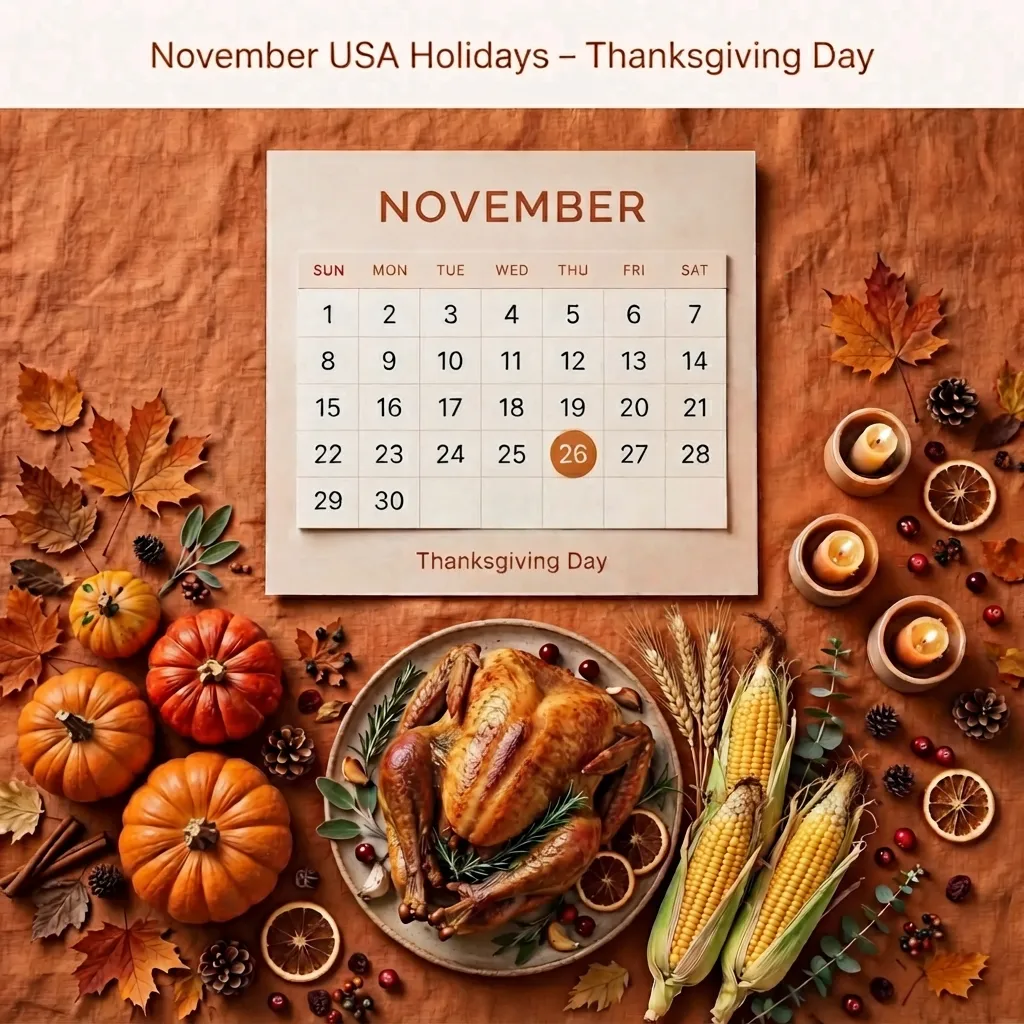
Thanksgiving Day has its roots in a 1621 harvest celebration shared by Pilgrims and the Wampanoag people. It became a national holiday in 1863 during the Civil War under President Abraham Lincoln. It is celebrated on the fourth Thursday of November and focuses on family gatherings, gratitude, and a traditional turkey dinner.
Nov 27 – Black Friday
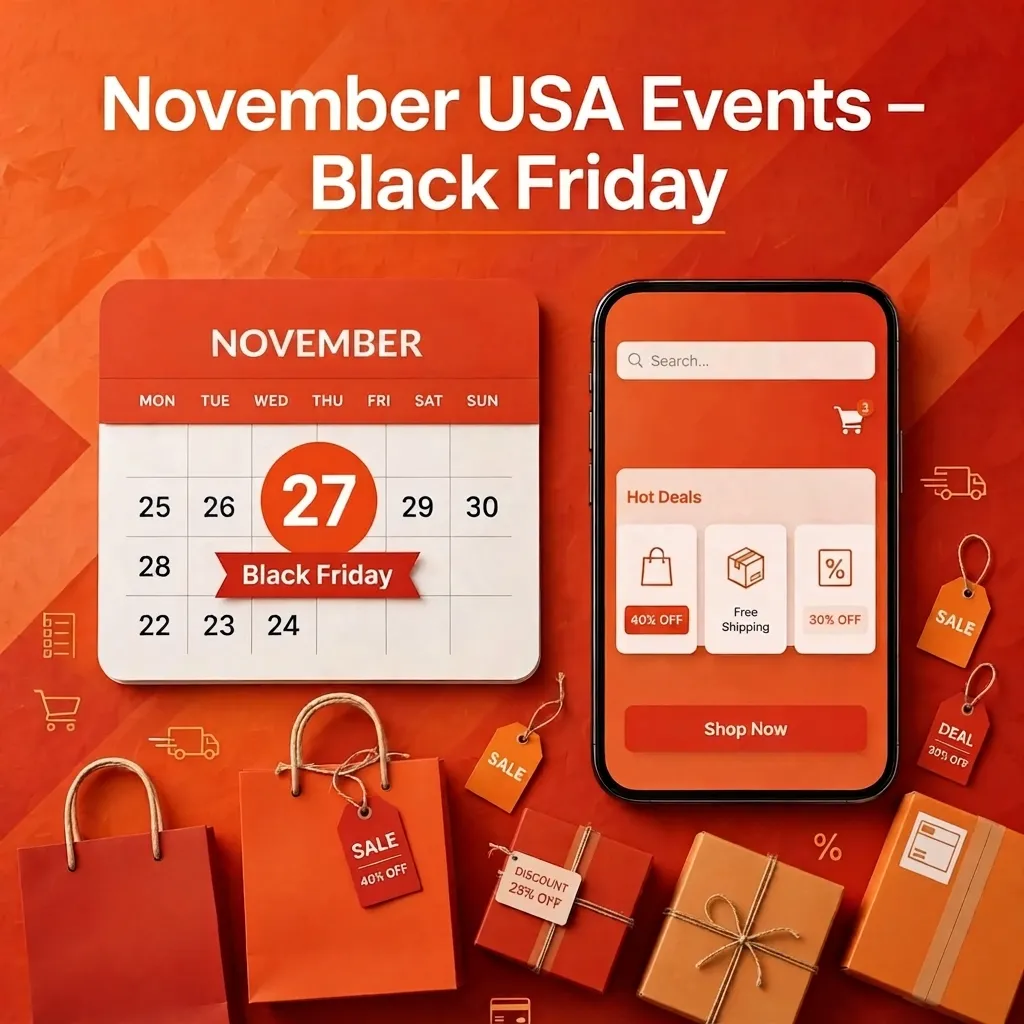
Black Friday is the day after Thanksgiving and is widely known as the unofficial beginning of the holiday shopping season. Retailers started using the term in the 1950s and 1960s. Since then, it has grown into one of the busiest shopping days of the year, both in physical stores and online.
Month of December
Dec 24 – Christmas Eve

Christmas Eve is the night before Christmas Day and is traditionally spent with family while preparing for the holiday. Many religious families attend church services on this night, while others spend the evening gift-wrapping, cooking, and enjoying festive gatherings.
Dec 25 – Christmas Day

Christmas Day celebrates the birth of Jesus Christ and is one of the most important religious and cultural holidays around the world. In the U.S., it became a federal holiday in 1870. Along with its religious meaning, it is widely celebrated through gift-giving, decorated Christmas trees, family meals, and other festive traditions, including among people from different religious backgrounds.
Dec 31 – New Year’s Eve

New Year’s Eve is the last day of the calendar year. It is usually marked by celebrations, parties, and countdowns to midnight. Common traditions include fireworks, toasts, and looking back on the past year. The Times Square Ball Drop in New York City is one of the most famous New Year’s Eve events and is broadcast across the country.
Conclusion
These U.S. holidays are more than just a list of days off. Each one has its own history, cultural roots, and meaning. Whether you are a student, employee, or business owner, knowing the background of these dates can make planning, content creation, and celebrations more meaningful. If you are planning an event, business promotion, or content calendar, this list can be a useful and informative guide throughout the year.
Frequently Asked Questions- USA Events
- What are the most important U.S. holidays?Some of the most important U.S. holidays are New Year’s Day, Martin Luther King Jr. Day, Memorial Day, Juneteenth, Independence Day, Labor Day, Veterans Day, Thanksgiving Day, and Christmas Day.
- What are the major USA events in 2027?Major USA events in 2027 include New Year’s Day, Martin Luther King Jr. Day, Valentine’s Day, Easter, Memorial Day, Independence Day, Labor Day, Halloween, Thanksgiving, Christmas, and New Year’s Eve.
- What day is Independence Day in 2027?Independence Day falls on Saturday, July 4, 2026. The federal holiday is observed on Friday, July 3, 2027.
- When is Thanksgiving Day in the USA?Thanksgiving Day is Thursday, November 26. It is celebrated on the fourth Thursday of November each year.
- When is Halloween in the USA in 2026?Halloween is Saturday, October 31, 2026. People across the U.S. celebrate with costumes, trick-or-treating, parties, and Halloween decorations.
- What are the major USA events in December 2026?The major December events include Christmas Eve on December 24, Christmas Day on December 25, and New Year’s Eve on December 31.
- Where can I find a complete list of USA events and holidays?You can use this month-by-month USA Events List to find important holidays, cultural events, observances, dates, and brief historical overviews from January through December.