
Quick Answer: One person can start a nonprofit, but one person can’t run one alone on paper. Many states require at least three directors, and the IRS pays close attention to independent governance when it reviews a 501(c)(3) application. You can found it, lead it, and do most of the work yourself. You just can’t be the only decision-maker.
Can one person start a nonprofit? The answer is yes, but there are important legal and governance requirements to understand.
Below you’ll find what you can do alone, what needs other people, the real factors, and the basic steps in order. These steps are written for the United States. If you’re outside the U.S., the structure is similar, but check your own government’s rules.
Not legal advice. Rules vary by state, so confirm details with your Secretary of State and the IRS, or ask a nonprofit attorney.
Explore: If you’re looking for a more detailed overview of the nonprofit startup process, read our How to Start a Nonprofit Organization guide.
Quick Overview: What You Can Do Alone When Starting a Nonprofit
| Task | Can you do it alone? |
|---|---|
| Define your mission and plan | Yes |
| Choose a name and file incorporation papers | Usually yes (one incorporator can often file) |
| Get an EIN and open a bank account | Yes, once you are incorporated |
| Draft bylaws | Yes, but the board needs to adopt them |
| Serve as the governing board | No. You need other directors |
| Approve your own salary | No. An independent board must decide |
| Apply for 501(c)(3) status | Yes, but the application describes your board and governance |
How Much Does It Cost to Start a Nonprofit?
| Item | Typical cost |
|---|---|
| State incorporation filing | Varies by state. Check your Secretary of State |
| EIN | Free |
| IRS Form 1023-EZ | $275 |
| IRS Form 1023 | $600 |
| State charitable solicitation registration | Varies by state |
| Lawyer or accountant (optional) | Varies |
Get a Nonprofit Startup Checklist
Follow every step from mission to tax-exempt status in the right order, so you don’t miss a filing or a requirement.
How Long Does It Take?
- State incorporation: usually days to a few weeks, depending on your state.
- IRS tax-exempt determination: often quicker for Form 1023-EZ and slower for the full Form 1023, which can take several months. IRS processing times change, so check IRS.gov for current estimates.
Founder vs. Owner: Who Owns a Nonprofit?
You can create the nonprofit and serve as its executive director, but you don’t own it. Once formed, it’s a separate legal entity. Its money and property must be used for its mission, and its directors have a duty to act in the organization’s interest. This is also why you can’t simply keep donations for personal use.
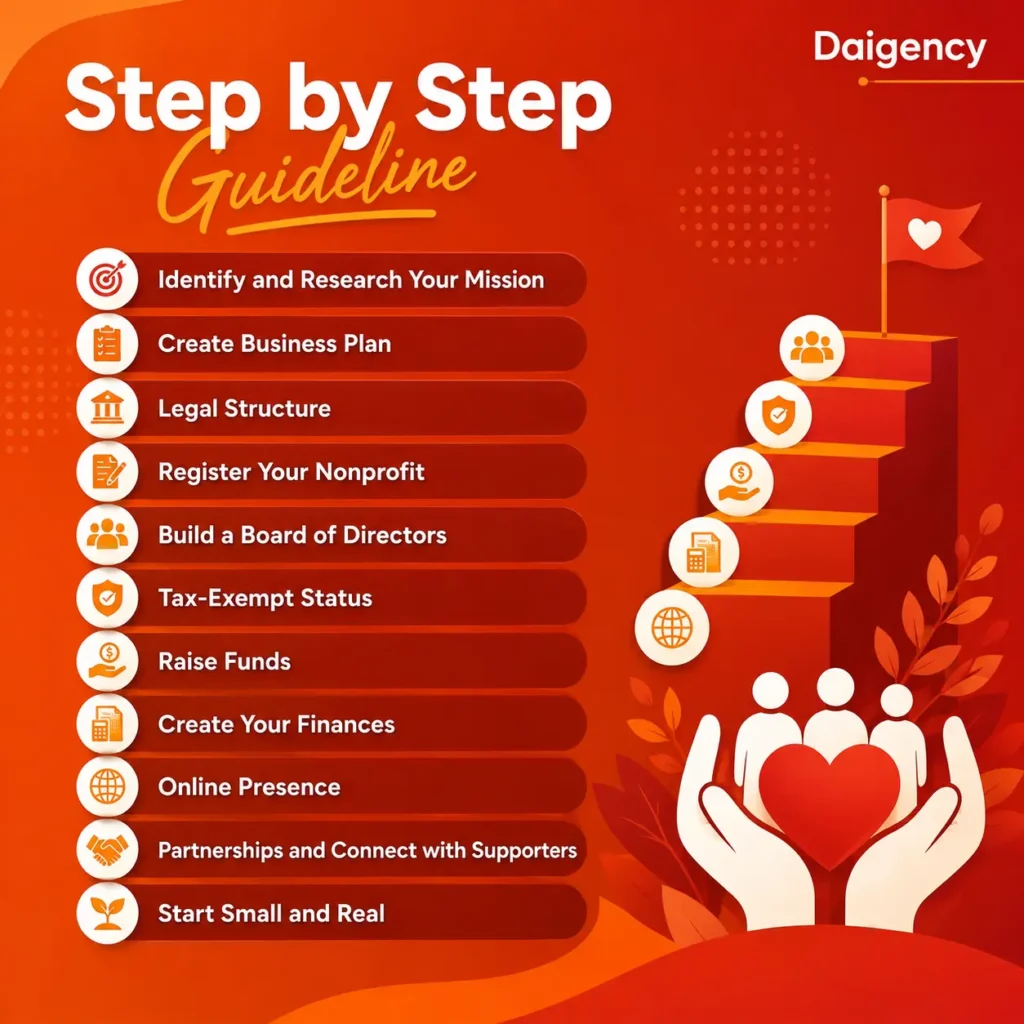
11 Steps to Start a Nonprofit by Yourself (2026 Guide)
This guide walks you through each step, from your first idea to your first project, so you can build a strong foundation even if you’re starting alone.
Step 1: Identify Your Mission and Research the Need
The first step is knowing exactly why you want to start a nonprofit. Every successful nonprofit begins with a clear mission. Before you begin, think about the problem you want to solve, the people you want to help, and the impact you hope to make.
Define and Get Crystal Clear on Your Mission
Your mission should clearly explain what your nonprofit does and why it exists. A focused mission gives your organization direction and helps donors, volunteers, and the community understand your purpose.
Example Mission:
“Our mission is to empower young people through education, mentorship, and skill-building programs that prepare them for a brighter future.”
Do a Little Research First
Once you’ve defined your mission, research your community to make sure there is a genuine need for your nonprofit. Focus on the following:
- Existing nonprofits in your area
- Community needs and challenges
- Government reports and public data
- Local surveys and research findings
- Feedback from potential beneficiaries
This research will help you identify gaps where your nonprofit can make a meaningful impact instead of duplicating existing efforts. Taking the time to understand your community’s needs will help you build a stronger and more sustainable organization.
Step 2: Create a Simple Business Plan
You don’t need a complicated business plan to get started, but you do need a clear plan. It will help you stay organized, make better decisions, and keep your nonprofit focused on its mission.
Outline Your Plan
Include these key details:
- Goal: What do you want to achieve?
- Target Audience: Who will benefit from your nonprofit?
- Programs or Services: What support or services will you provide?
- Funding: How will you raise money to support your activities?
- Budget: Estimate your expected income and expenses.
Why a Business Plan Matters
A simple business plan acts as a roadmap for your nonprofit. It helps you set clear goals, prepare for challenges, stay focused on your mission, and show donors or grant providers how you plan to use your funding. Even a basic written plan can make it easier to manage and grow your organization.
Choose a Name
Once your plan is ready, choose a name that reflects your mission. Make sure it is:
- Easy to remember
- Relevant to your mission
- Unique and not already registered
Before making a final decision, check your local business registry to confirm the name is available. It’s also a good idea to see if the matching domain name and social media usernames are available for future branding.
Step 3: Decide on the Legal Structure
Before registering your nonprofit, you’ll need to choose a legal structure. The right option depends on your goals, the size of your organization, and the legal requirements in your country.
Common Legal Structures
| Structure | Best for | Trade-off |
|---|---|---|
| Unincorporated nonprofit association | Small or short-term community projects | Less paperwork, but limited legal protection |
| Nonprofit corporation | Long-term organizations | More setup, but legal protection and a strong foundation for 501(c)(3) status |
| Fiscal sponsorship | Testing your idea before forming your own entity | An existing nonprofit sponsors your project, usually for a fee, and you don’t create a new entity yet |
Not sure which to pick?
If you want to start helping people now and don’t yet have a board, fiscal sponsorship is often the quickest way to begin. If you want your own brand, your own board, and long-term independence, form a nonprofit corporation.
Step 4: Register Your Nonprofit
Once you’ve finalized your plan, it’s time to register your nonprofit. The registration process varies by country, so be sure to check your local government’s official website for the specific requirements.
Complete the Registration Process
In most cases, you’ll need to:
- Choose and register your nonprofit’s name.
- File the required registration or incorporation documents.
- Appoint board members or directors, if required by law.
- Create bylaws that explain how your nonprofit will operate.
- Obtain any licenses or permits needed to operate legally.
Organize Your Nonprofit
After your nonprofit is officially registered, take a few important steps to prepare for daily operations:
- Apply for a tax identification number, if required in your country.
- Open a separate bank account for your nonprofit.
- Keep your organization’s finances separate from your personal finances.
- Store all legal and financial documents in a safe place.
A little guidance at the beginning can save time and help you avoid mistakes later.
Step 5: Build a Board of Directors
Even if you’re starting your nonprofit on your own, many countries require a board of directors as part of the registration or tax-exempt application process. A board provides guidance, supports important decisions, and helps keep the organization accountable.
Choose the Right People
Look for individuals who believe in your mission and can offer valuable skills or experience, such as:
- Friends or family members with relevant expertise
- Mentors or trusted professionals
- Community leaders or active volunteers
- Accountants, lawyers, teachers, or other professionals
Good to know: Avoid filling the board only with close family members or people who depend on you financially. An independent board builds donor trust and makes your tax-exempt application stronger.
Discuss Their Responsibilities
Before inviting someone to join your board, make sure they understand their role. Board members are typically expected to:
- Support your nonprofit’s mission
- Attend a few meetings each year
- Help review important decisions and financial reports
- Promote your organization within their network
Most nonprofit board positions are voluntary, especially during the early stages.
Hold Your First Board Meeting
Your first meeting doesn’t need to be formal. Focus on the essentials:
- Confirm your nonprofit’s mission
- Assign key board roles, such as Chair, Secretary, and Treasurer
- Approve your bylaws
- Discuss your next steps and future goals
A well-organized board can provide valuable support and help your nonprofit grow with confidence.
Step 6: Apply for Tax-Exempt Status
After registering your nonprofit, you may be eligible to apply for tax-exempt status, depending on your country’s laws. This status can reduce certain tax obligations, increase your organization’s credibility, and make it easier to qualify for grants and donations.
Why It Matters
Tax-exempt status can provide several benefits, including:
- Reduced or exempt taxes for your nonprofit
- Greater credibility with donors and funding organizations
- Access to grants and other funding opportunities
- Tax benefits for eligible donors in some countries
How to Register a Nonprofit in the USA: Form 1023 vs. Form 1023-EZ
The application process varies by country. In the United States, nonprofits typically apply for 501(c)(3) tax-exempt status through the IRS. Depending on your organization’s eligibility, you’ll need to submit Form 1023 or the simplified Form 1023-EZ.
If you’re outside the U.S., check your country’s official government website to learn about the requirements and application process. If you’re unsure whether your nonprofit qualifies, consider consulting a nonprofit advisor or legal professional before applying.
Step 7: Raise Funds
Every nonprofit needs funding to support its programs and daily operations. A clear fundraising strategy can help you cover expenses and grow your organization’s impact over time.
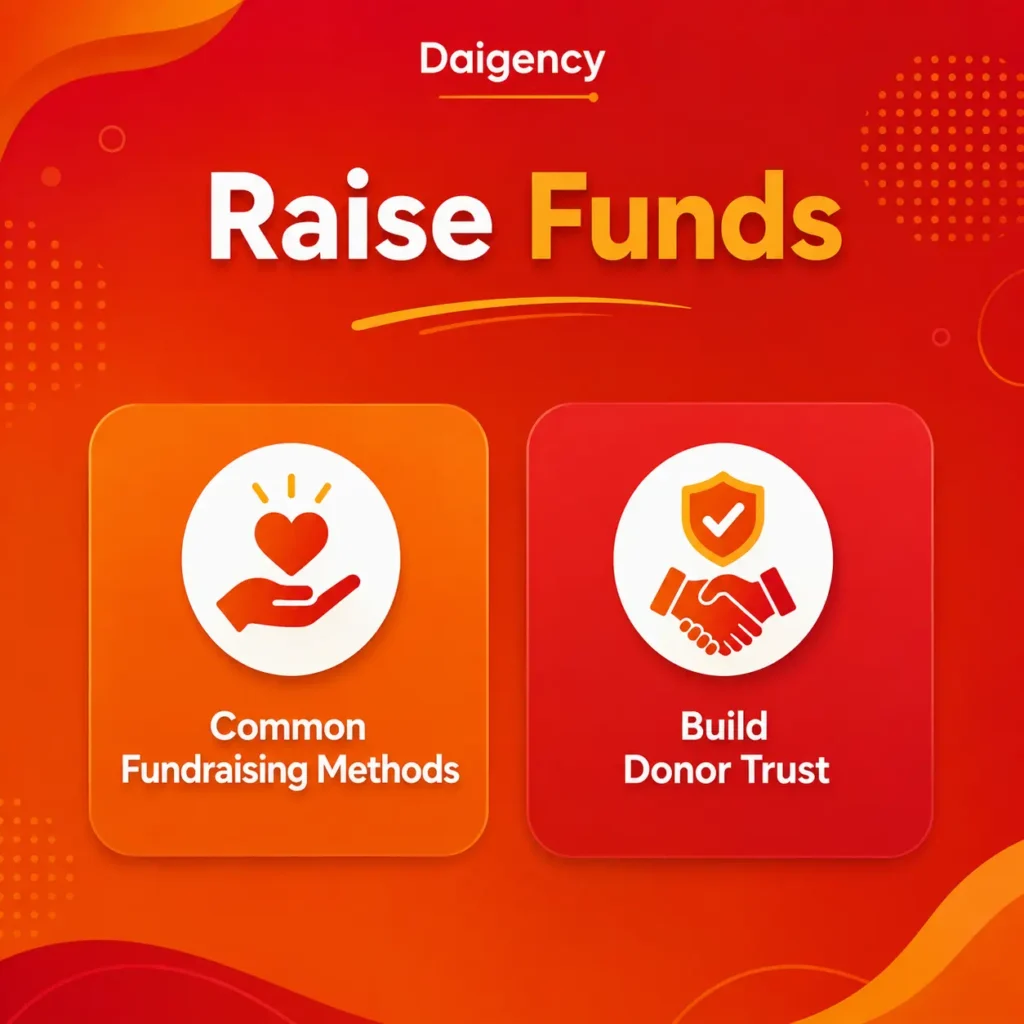
Common Fundraising Methods
You can raise funds through:
- Individual donations
- Online crowdfunding campaigns
- Charity events
- Membership fees
- Grants
- Corporate sponsorships
Before you start asking for money
Many states require charities to register before soliciting donations. Check your state’s charitable solicitation rules first. Also remember that donations are generally tax-deductible for donors only once your 501(c)(3) status is recognized.
Build Donor Trust
Be honest and transparent about how donations are collected and spent. Keep accurate financial records and use funds responsibly to support your mission. When donors see that their contributions are being managed responsibly, they’re more likely to trust and support your nonprofit.
Explore: Learn how to launch your nonprofit by reading our How to Start a Nonprofit Organization with No Money guide for practical tips and cost-saving strategies.
Step 8: Create and Manage Your Finances
Managing your nonprofit’s finances is just as important as raising money. From the beginning, keep your income and expenses organized so you always know where your funds are coming from and how they’re being used. Good financial habits will also make it easier to meet legal requirements and earn the trust of donors.
Financial Best Practices
- Create a budget before you start spending.
- Record all donations and expenses.
- Keep your nonprofit’s finances separate from your personal finances.
- Save important financial documents and receipts.
- File any required tax or financial reports based on your country’s regulations.
A simple accounting system and accurate records will help your nonprofit stay organized, transparent, and prepared for future growth.
Can You Pay Yourself?
Yes, but only reasonable compensation for real work, and not decided by you alone. Your board should approve your pay, and you should step out of that vote. Paying yourself without board approval is one of the fastest ways to lose donor and IRS trust.
Step 9: Build an Online Presence
Having an online presence makes it easier for people to discover your nonprofit and learn about the work you do. Even a simple website or social media page can help you connect with supporters and grow your impact.
Get Started Online
Create:
- A professional website
- A Facebook page
- An Instagram account
- A LinkedIn profile
- A Google Business Profile (if applicable)
Tell Your Story
Use your website and social pages to explain why you started, the problem you’re solving, and how people can help.
Get a Nonprofit Website Within Your Budget
Compare your nonprofit’s requirements and budget with a professional website development team to find the right solution for your cause.
Step 10: Build Partnerships and Connect with Supporters
Growing a nonprofit isn’t just about raising money it’s also about building relationships. The more people who know about your mission, the more opportunities you’ll have to find donors and long-term partners.
Ways to Build Partnerships
You can connect with potential supporters by:
- Attending community events and nonprofit conferences
- Networking with local businesses and community leaders
- Reaching out to companies that support charitable causes
- Collaborating with schools, universities, or other nonprofits
Find Donors and Sponsors
Don’t wait for donors to find you. Share your mission with people who may be interested in supporting your work. You can attract donations through:
- Social media platforms
- Your nonprofit’s website
- Attending networking and community events
- Connecting with local businesses and business owners
- Reaching out to companies with corporate social responsibility (CSR) programs
- Introducing your nonprofit to community leaders and local organizations
- Using LinkedIn to connect with potential sponsors and partners
- Asking existing supporters for referrals and introductions
Building trust takes time, so focus on creating genuine relationships instead of asking for donations right away. When people believe in your mission, they’re more likely to support it over the long term.
Step 11: Start Small and Real
Many people delay launching their nonprofit because they feel everything has to be perfect first. In reality, the best way to begin is by taking small, meaningful steps.
Launch Your First Project
Start with a simple initiative, such as:
- Distributing school supplies
- Organizing a community cleanup
- Hosting a free workshop
- Planting trees
- Collecting food or clothing donations
Starting small allows you to learn from experience, understand your community’s needs, and show that your nonprofit can make a real difference. These early efforts also help you build trust with donors, volunteers, and future supporters.
Every successful nonprofit started with one small action before growing into something bigger.
Common Mistakes to Avoid
- Filing without a real, independent board
- Mixing personal and nonprofit money
- Skipping bylaws and written policies
- Collecting donations before checking state solicitation rules
- Paying yourself without board approval
- Forgetting your annual filings
Nonprofit Compliance After Approval: What You Must Do Every Year
The work doesn’t end once you receive your determination letter. Plan for:
- Annual IRS filing: most nonprofits file a Form 990 (or 990-EZ / 990-N for smaller ones) every year, and missing it repeatedly can cost you your tax-exempt status.
- State renewals: many states require annual reports or renewals.
- Board meetings and minutes: keep records of important decisions.
Conclusion
You can start a nonprofit by yourself, but you can’t run it alone. Here’s the short version:
- Start alone with your mission, plan, and incorporation paperwork.
- Bring in a board of at least three people, ideally unrelated to each other.
- Apply for tax-exempt status, then begin raising funds responsibly.
Get Expert Help Building Your Nonprofit Online
Share your mission and goals with our team and get a clear plan for your website and online presence.
FAQs-Nonprofit by Myself
- Can I start a nonprofit by myself?
Yes. You can start a nonprofit on your own, but depending on your country’s laws, you may need board members or meet other legal requirements during the registration process.
- How much money do I need to start a nonprofit?
It depends on your goals and local registration fees. Many nonprofits start with a small budget and grow through donations, grants, and fundraising.
- How can I get donations for my nonprofit?
You can attract donations by building relationships, creating an online presence, hosting fundraising events, applying for grants, and reaching out to businesses and community supporters.
- Can I pay myself from a nonprofit?
Yes. If you work for the nonprofit, you may receive reasonable compensation, provided it follows the laws and regulations in your country.
- What is the biggest challenge when starting a nonprofit?
The biggest challenges are securing funding, building trust, and growing a strong network of volunteers, donors, and community supporters.
- Do I need tax-exempt status to operate a nonprofit?
Not always. In many countries, you can register and begin operating your nonprofit before applying for tax-exempt status. However, obtaining tax-exempt status may provide additional benefits, such as tax relief and access to certain grants and funding opportunities.
- Do I need a board of directors?
In many countries, yes. A board of directors is often required for registration or tax-exempt status, so check your local regulations.
- How long does it take to start a nonprofit?
The process varies by country. Depending on the legal requirements, it may take anywhere from a few weeks to several months.
Nonprofit Guides:
Learn these useful guides to improve your nonprofit by increasing traffic, local SEO performance and digitally strategies.